Global capital does not move randomly. It moves toward stability, scarcity, and durable growth — and over the past decade, a handful of Mediterranean and lifestyle-driven markets have delivered exactly that, on the back of constrained supply, international demand, and a structural shift in how people live and work.
For second-home buyers, the question is no longer whether prime destinations appreciate. It is how to participate in that growth intelligently — and how to get capital back out when the time comes.
1. Scarcity drives long-term appreciation
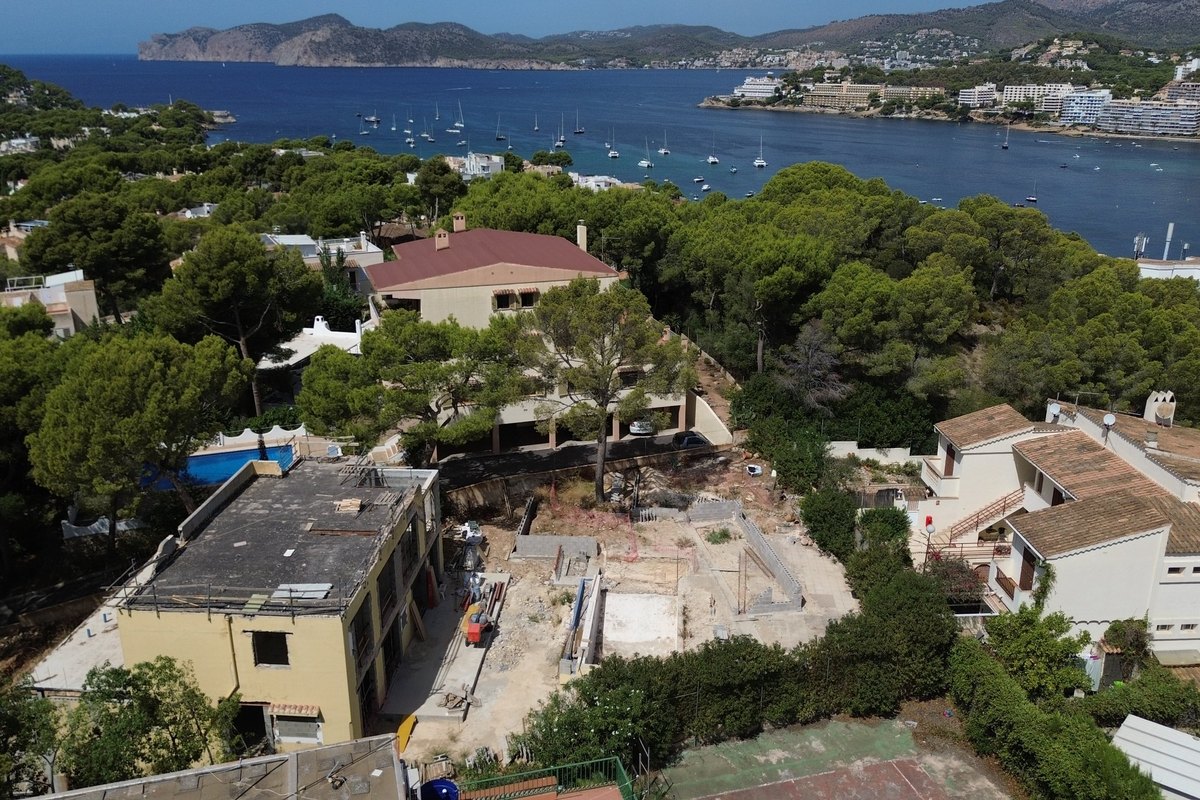
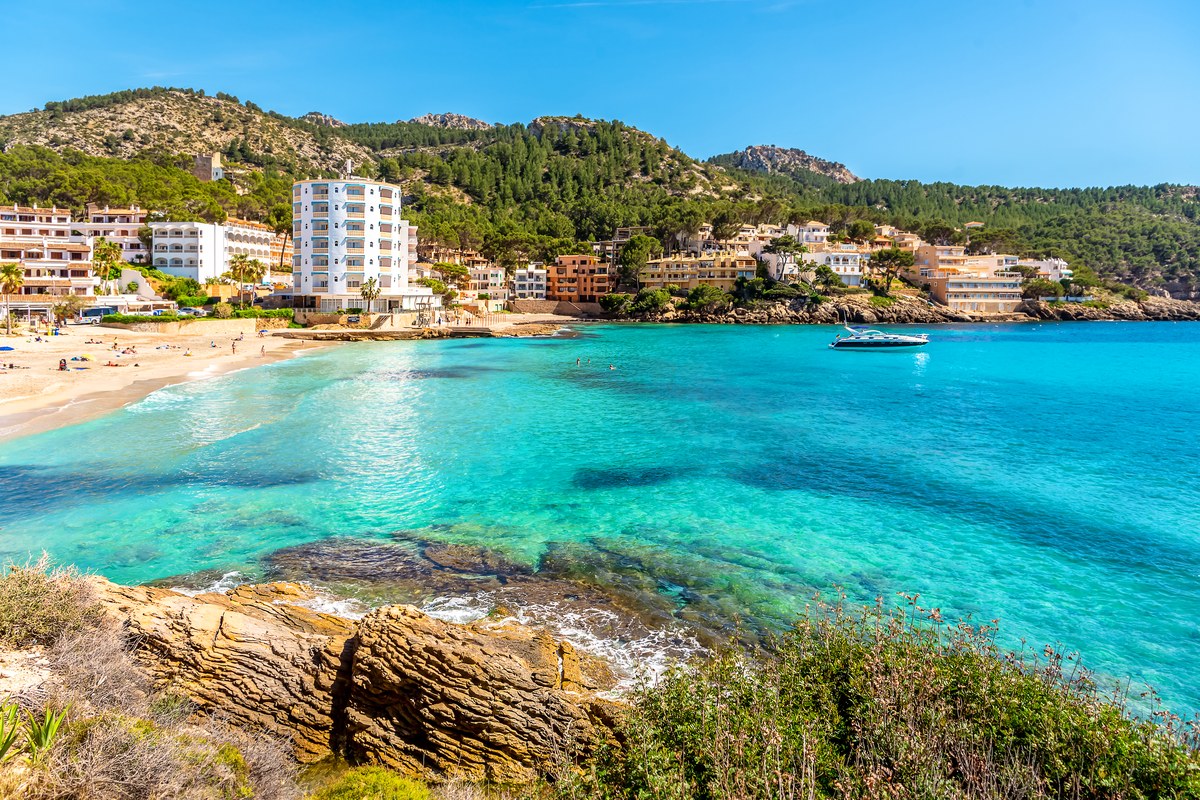
Prime coastal destinations like Mallorca and the French Riviera share three traits:
- Limited buildable land
- Strict zoning and preservation rules
- Persistent international buyer demand
When supply is structurally constrained, price growth tracks demand cycles rather than speculative overbuilding. That is what gives these markets their resilience against the corrections that hit oversupplied urban centres.
2. International demand is structural, not cyclical
The modern second home is no longer a purely lifestyle purchase. It now functions as a mobility asset, a partial residence, and a portfolio diversifier at once. Remote work, wealth migration, and rising geopolitical risk have pushed demand toward stable EU destinations — and these are structural shifts, not a passing tourism trend.
3. Rental performance supports the holding strategy
In high-demand destinations, premium properties benefit from strong seasonal rates, limited luxury inventory, and steady international visitor flows. Rental income is not what drives long-term appreciation — but it underwrites the cost of ownership and improves capital efficiency while you hold.
4. Structure determines the exit
Growth alone is not a strategy. Liquidity is. A professional co-ownership structure defines the resale mechanism, the valuation methodology, the share-transfer rules, and the minority protections — before any of them are needed. That is what removes friction at exit and protects the asset’s integrity over time.
Markets grow. Structure decides whether that growth can ever be realised.
Conclusion
Investing in a high-growth destination takes more than picking the right point on the map. It takes disciplined entry pricing, governed ownership, and a defined path to exit. Approached that way, prime second-home markets are not speculative trades — they are long-duration assets that combine lifestyle access, inflation protection, capital appreciation, and diversification outside traditional financial markets.
Growth is important. Governance is essential.
Explore more on governance, exit planning, and long-term ownership structures across our insights.