🇬🇧EN
🇪🇺EUR
Book a call
Search Global Homebase

Category: Living in Mallorca

Towns, harbours, beaches and markets — the island as our co-owners and buyers actually use it.

  • From Bendinat to the water — Illetas, Palma and the airport

    From Bendinat to the water — Illetas, Palma and the airport

    A second home only works if you actually use it. That depends less on the house than on what lies around it, and on how long it takes to get there. Bendinat is one of the easiest places on the island in both respects.

    Illetas, minutes away

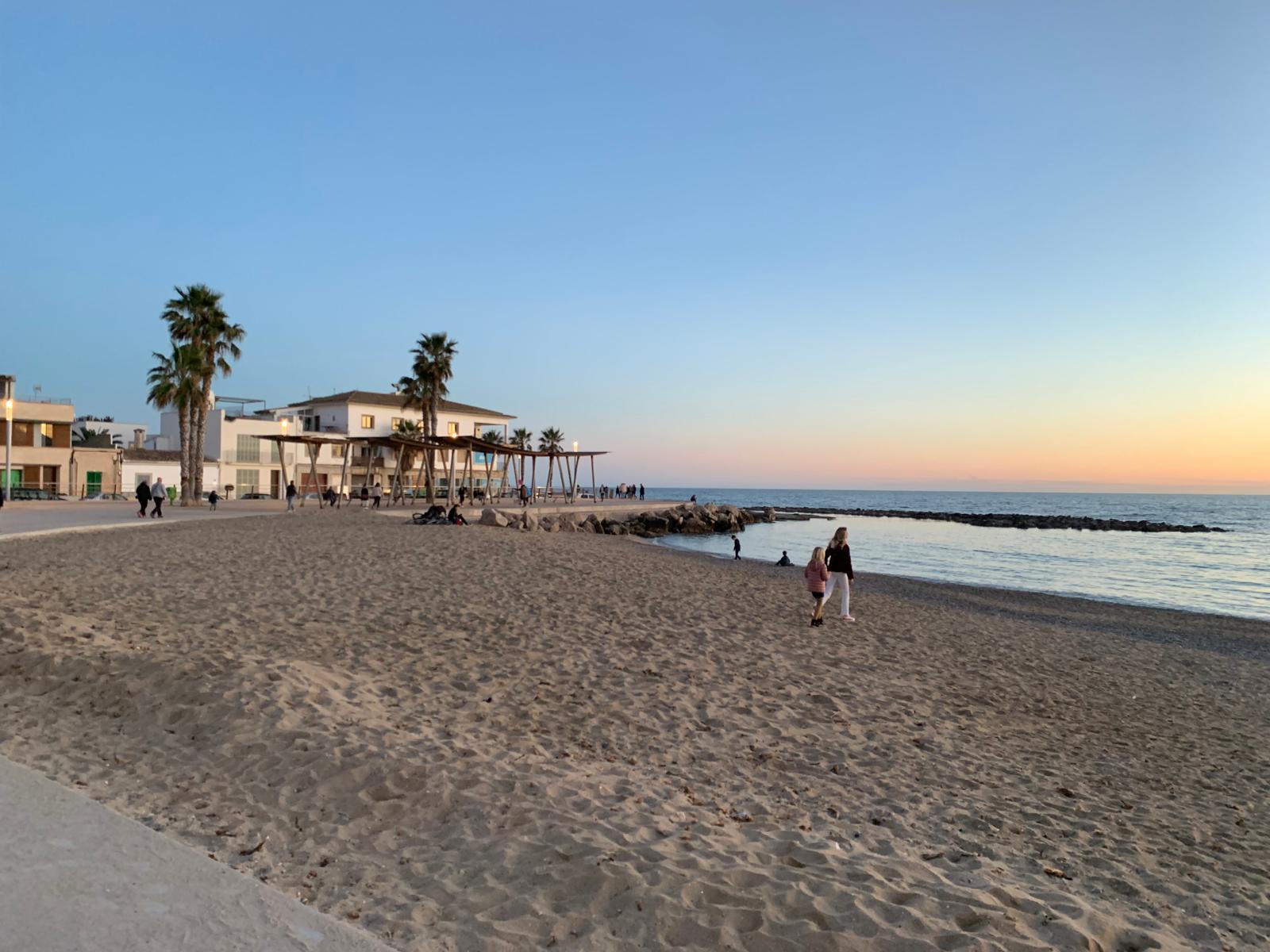
    Between Bendinat and Palma lies Illetas, named after the small islands just off its coast. The water here is the clear, shallow turquoise people picture when they think of Mallorca, with small beaches and rocks to swim from, and coves such as Cala Comtesa along the shore. Further towards Palma come Cas Català and Cala Major. None of them requires a long drive or an early start to find a place.

    Palma in fifteen minutes

    Palma’s old town, the cathedral and the Paseo Marítimo are about fifteen minutes away by car. That puts the city’s restaurants, galleries, shops and hospitals within easy reach, and it is why many people who live in Bendinat all year treat Palma as their town rather than a day trip.

    The airport in twenty-five

    Palma airport is about twenty-five minutes away, with direct flights to most European capitals for much of the year. For owners who come for a long weekend as well as a long summer, that is often what decides it: you can land, and be on your terrace within the hour.

    The practical side

    Sea, city and airport this close together is rare on Mallorca. It means the house is easy to reach, easy to leave and easy to look after, which matters whether you own it outright or share it.

    Living here

    This is the setting for Villa Bendinat, a contemporary villa on the slope with the bay in front of it: five bedrooms, a pool terrace the width of the house and a sauna below. It is offered whole, or in shares from four weeks a year. See the whole house · See it as co-own
  • Puerto Portals and Portals Nous — the marina below Bendinat

    Puerto Portals and Portals Nous — the marina below Bendinat

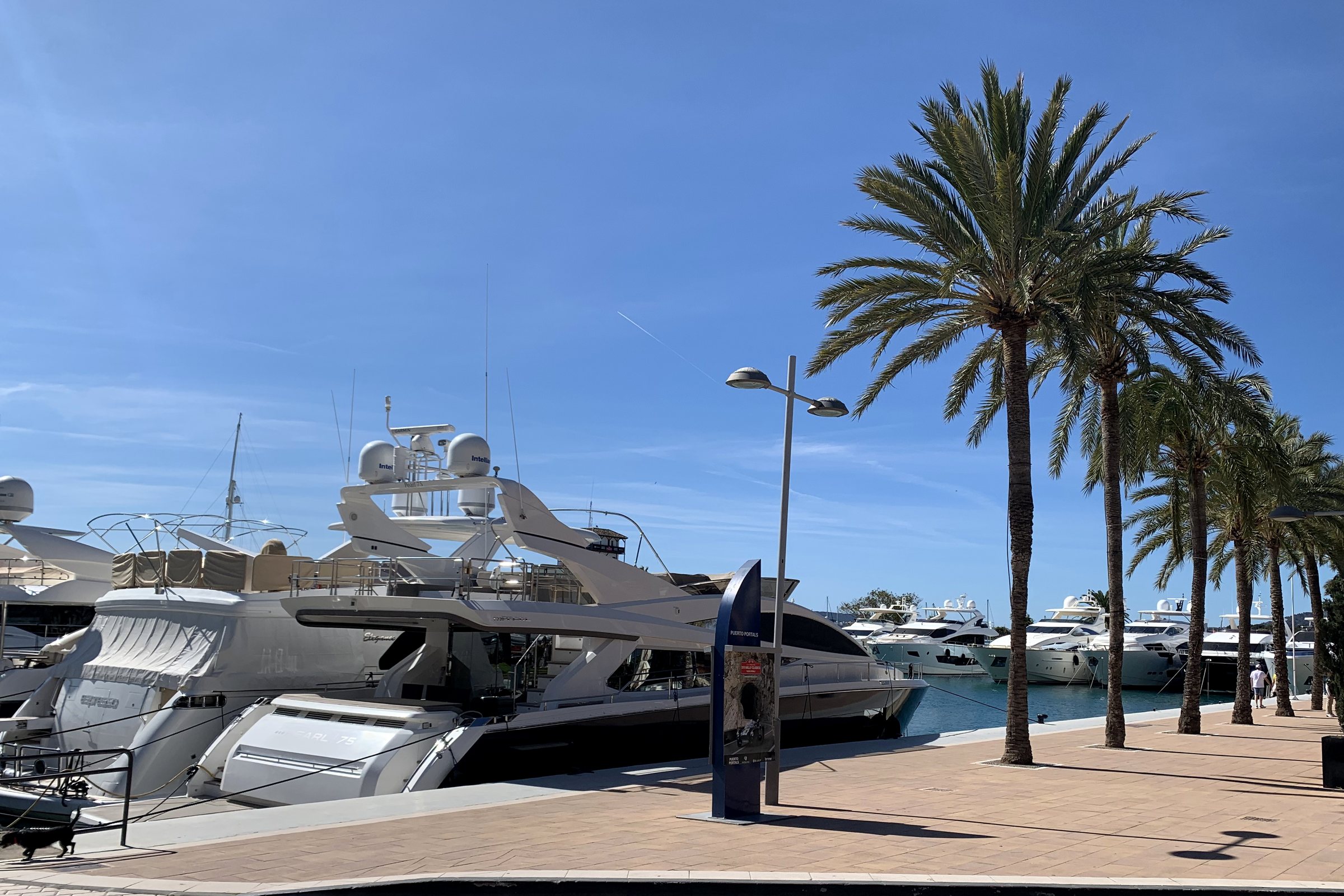
    Drive five minutes down from Bendinat and the pines give way to masts. Puerto Portals is the marina at Portals Nous, and for many people it is the reason this stretch of coast is known at all. It opened in the 1980s and has been one of the island’s best-known harbours ever since: large yachts on the outer quays, smaller boats inside, and a wide promenade lined with palms running along the water.

    The promenade

    The life of the place is on that promenade. Restaurants and cafés open straight onto the quay, shops sit behind them, and in the evening the whole harbour is lit by the boats. In summer it is busy and glamorous; in winter it is calm, sunny and still open, which is why people who live nearby use it as their local harbour rather than a destination.

    Portals Nous, the village

    Behind the marina lies Portals Nous itself, a small residential village of villas and apartments with everything a household needs. Just along the coast is the Oratori de Portals, a small chapel above a sheltered beach, Platja de s’Oratori — a quiet place to swim within walking distance of the harbour.

    Why it matters for the homes above

    Being five minutes from a marina like this changes how a house is used. You can keep a boat, rent one for the day or simply walk down for dinner. Palma is fifteen minutes away along the coast, the airport about twenty-five, and the golf course at Bendinat is just up the hill.

    Living here

    This is the setting for Villa Bendinat, a contemporary villa on the slope with the bay in front of it: five bedrooms, a pool terrace the width of the house and a sauna below. It is offered whole, or in shares from four weeks a year. See the whole house · See it as co-own
  • Bendinat — the quiet slope between Palma and Portals

    Bendinat — the quiet slope between Palma and Portals

    Most people drive past Bendinat without knowing it. The motorway from Palma to the southwest runs along its foot, and from the road you see little more than pine trees and the odd white wall. That is rather the point. Bendinat is a residential slope between Palma and Portals Nous where the houses face the sea, the streets are quiet, and nothing much happens apart from life.

    A name from a meal

    The local story goes back to 1229. After King Jaume I landed on the island to take it from the Moors, he is said to have stopped here and eaten well — bé hem dinat in Catalan. Whether or not it happened that way, the name stuck. So did the castle: the Castell de Bendinat, a private residence rebuilt in the 19th century, still stands among the trees and gives the area its landmark.

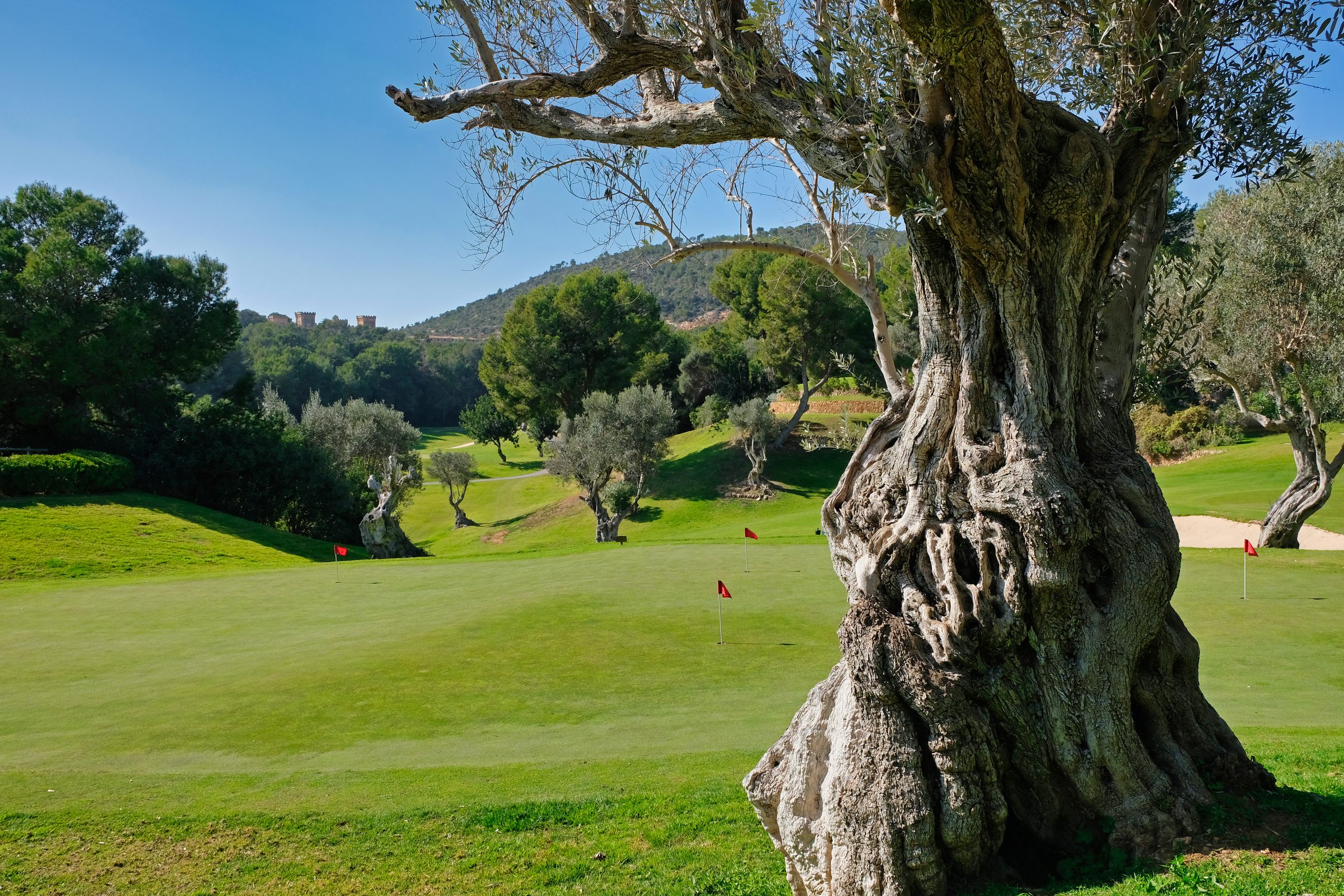
    Golf among the olive trees

    Below the castle lies the Real Golf de Bendinat, laid out over the hillside with old olive trees and pines between the fairways. It is not a resort course in the sense of hotels and crowds. It is the kind of club where people who live nearby play nine holes before lunch.

    Why people live here all year

    Bendinat works because everything is close and nothing is in the way. Palma’s old town is about fifteen minutes by car, the airport about twenty-five. The marina at Puerto Portals is five minutes down the hill, and the coves of Illetas are just as near. Behind it all rises the Serra de Na Burguesa, so the slope gets the morning sun and a view across the bay. Families stay because the international schools are within reach; second-home owners come because the house works in February as well as in August.

    Living here

    This is the setting for Villa Bendinat, a contemporary villa on the slope with the bay in front of it: five bedrooms, a pool terrace the width of the house and a sauna below. It is offered whole, or in shares from four weeks a year. See the whole house · See it as co-own
  • La Seu — The Cathedral That Sets the Rules

    La Seu — The Cathedral That Sets the Rules

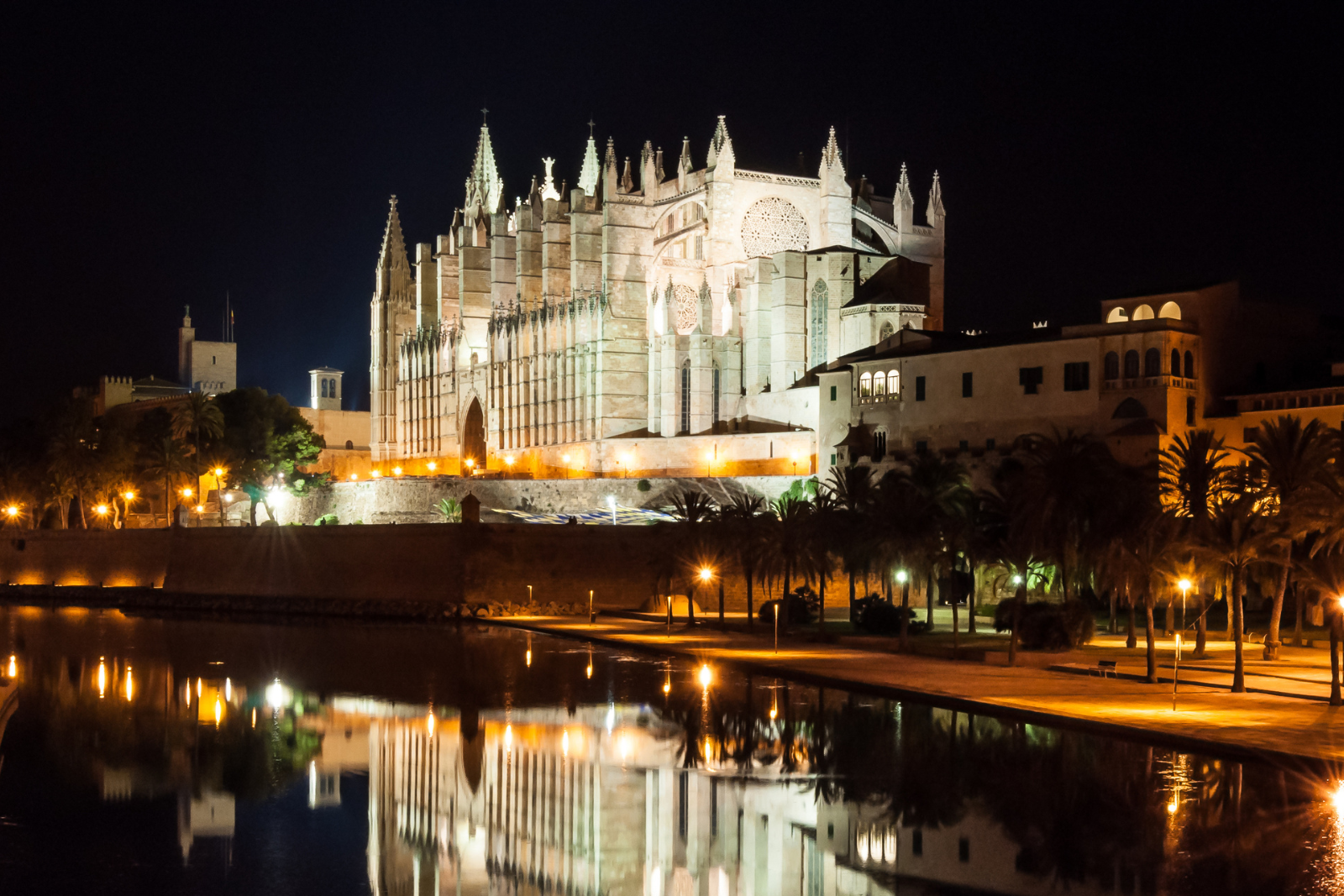
    You can see La Seu from the water, from the ring road, from a plane on final approach, and from most of the rooftops in the old town. It is the image Palma sells itself with. It is also, more quietly, the reason the streets behind it look the way they do.

    Eight hundred years, and counting

    Work began in 1229, immediately after Jaume I took the island, and the building was not largely finished until the early seventeenth century. Four hundred years of Catalan Gothic, built on the edge of the old sea wall so that it stands over the water rather than behind the town.

    Its rose window is one of the largest in the Gothic world. On a clear morning the whole nave is coloured by it.

    Gaudí’s interruption

    Between 1904 and 1914 Antoni Gaudí was brought in to reorganise the interior. He moved the choir, opened up the sightlines to the altar, reworked the lighting and hung the canopy that still floats above it. The commission ended in a disagreement and was never finished — which is why the inside of La Seu is part medieval cathedral and part unfinished Gaudí, and more interesting for it.

    The figure of eight

    Twice a year, on 2 February and 11 November, the rising sun comes through the rose window at an angle that projects its mirror image onto the wall below the opposite window. For a few minutes the two circles stack into a figure eight. People queue at dawn for it, and it is worth the alarm clock once.

    What it means for a house nearby

    The cathedral is not only a view. Its presence is written into the planning rules for everything around it. Inside the protected quarter — Calatrava, the lanes immediately behind La Seu — facades, rooflines and listed interiors are fixed, and nothing is built above the historic roofline.

    The practical consequence is simple. A roof terrace with a clear line to the cathedral cannot be built out by a neighbour, because the neighbour cannot build up. There is no vacant plot in these streets and there will not be one. The supply is what it is, and it has been for six hundred years.

    That is the quiet argument for owning inside the walls rather than near them. Every home we take on in Palma is measured, filmed and checked before anyone is asked to travel.

  • Portixol and Es Molinar — Palma’s Seafront, Two Kilometres Out

    Portixol and Es Molinar — Palma’s Seafront, Two Kilometres Out

    Two kilometres east of Palma’s old town, past the port and the yacht club, the city runs out of grand buildings and starts again as something lower and whiter. This is Portixol, and beyond it Es Molinar — the old fishermen’s quarter that has become one of the most wanted addresses in the city.

    From fishing village to front row

    Portixol was a working harbour long before it was fashionable: small boats, low houses built for the people who used them, a slipway and a chapel. For most of the twentieth century it was where Palma kept its back turned. Then the seafront was cleaned up, the promenade was rebuilt, and people noticed that the quarter had a south-facing bay, flat streets and the whole city fifteen minutes away on foot.

    The houses are still low. That is not nostalgia — it is planning. The scale of the quarter is protected, which is why it has filled with good restaurants and design studios instead of towers.

    The promenade that connects it

    You can walk or cycle from the cathedral to Es Molinar on a continuous seafront path, past the marinas, without crossing a road that matters. That single stretch of tarmac is why the two ends of the bay behave like one neighbourhood. People who live in the old town eat here on a Sunday; people who live here take the same path into town for work.

    The beaches are small and municipal — Can Pere Antoni, Portixol, Ciudad Jardín — and none of them is a resort beach. They are the kind of water people swim in before work.

    Where the city eats

    The restaurant density along this stretch is the highest in Palma outside Santa Catalina, and it stays open through the winter because the customers live here. That is the practical test of a neighbourhood: whether it survives February.

    Buying here

    Portixol and Es Molinar are Palma de Mallorca — the same municipality, the same taxes, the same airport run. What they add to an old-town address is the water, and what they add to a coastal address is the city. Anything on the front row is scarce and rarely public for long.

    If you want to know what is available in Palma and what the full costs of buying look like, every home we take on is documented before it is offered.

  • Palma de Mallorca — The City Behind the Address

    Palma de Mallorca — The City Behind the Address

    Most people who buy in Mallorca buy the island first and the city second. With a house in the old town it is the other way round: you are buying a European capital that happens to sit on an island, and the difference shows up in everything from flight schedules to whether the restaurant on your corner is open in February.

    A capital, not a resort

    Palma is the seat of the Balearic government, the islands’ courts, their university and their hospitals. It has a container port, an old-town office district, and a commercial life that does not switch off in October. That is the first thing to understand about an address here: the city works year-round because it has to, not because tourism asks it to.

    It is also large. The municipality counts 431,521 residents, which makes Palma the eighth most populous city in Spain — bigger than Bilbao, bigger than Alicante. Roughly 27 % of the adults registered here hold a foreign passport. An international household is not an exception in this city; it is a quarter of it.

    The numbers behind the postcode

    Palma airport handled 33.8 million passengers in 2025 across 246,486 flight movements. Two-thirds of that traffic is international. In practice that means most northern European cities are a direct flight away for most of the year, and the ones that are not in winter are one connection through Madrid or Barcelona.

    From the old town the airport is about fifteen minutes by car. That is the figure that decides whether a second home gets used four times a year or fourteen.

    The old town, and what protects it

    Palma’s historic centre is one of the largest intact medieval quarters in the Mediterranean: Roman foundations, Arab walls, Gothic churches and eighteenth-century merchant houses inside the same few hundred metres. It is protected, and the protection is real. Facades, rooflines and listed interior elements cannot simply be removed, and nothing gets built above the historic roofline.

    That is a constraint if you want to build. It is the whole point if you want to own. The supply of houses inside those streets is fixed, and it has been fixed for centuries.

    Buying in Palma

    A city address behaves differently from a coastal one. It is lettable in shoulder season, it is walkable without a car, and its value is tied to a functioning economy rather than to a season. It also comes with a paper trail — protection categories, licences, community statutes — that needs reading before you sign, not after.

    Every home we take on is measured, filmed and checked before anyone is asked to travel. If you want to see what is currently available in Palma and what the numbers actually look like, the homes are all on one page.

  • Sant Elm — Mallorca’s Wild Western Edge

    Sant Elm — Mallorca’s Wild Western Edge


    Drive to the very end of Mallorca’s southwest coast and you arrive at Sant Elm — a small, unhurried village named after the patron saint of sailors, with the Serra de Tramuntana rising at its back and the dragon-shaped island of Sa Dragonera lying just offshore. It is about as far as the island goes, and it feels it: the road runs out, the crowds thin, and the sea takes over.

    Sant Elm has stayed close to its roots. Once a fishing village, it never became a resort — just a couple of small sandy beaches, a scatter of good fish restaurants looking out to Sa Dragonera, and turquoise coves like Cala en Basset within walking distance. In summer, boats leave the little jetty for the short crossing to the island; the rest of the year it is simply one of the quietest, most beautiful corners of Mallorca.

    Sa Dragonera — the island that was saved

    The uninhabited island offshore is more than scenery. In 1977, environmentalists occupied Sa Dragonera to stop a planned tourist development — and they won. The island became a nature reserve instead, a turning point for conservation across Mallorca, and has been a protected park ever since. Today it shelters hundreds of plant species and rare seabirds, including Balearic shearwaters and Eleonora’s falcons, its cliffs and lighthouses left to the wind and the water. A short boat trip from Sant Elm puts you on its trails for the day.

    La Trapa and the old monks’ path

    Above the village lie the ruins of La Trapa, a monastery built in 1810 by Trappist monks who had fled the French Revolution. To live self-sufficiently on this remote coast, they raised a chapel and a mill and carved dry-stone terraces into the hillside; the community faded in the 19th century, and in 1980 a Balearic conservation group took the land on and began to restore it. The famous walk up from Sant Elm — a round trip of around three hours through coastal maquis and pine, part of the island-long GR-221 route — is rewarded at the Mirador de la Trapa with what many consider the single finest view of Sa Dragonera anywhere in Mallorca.

    The quiet side of the southwest

    Just inland sits S’Arracó, a village of traditional stone houses and a few grand modernist homes built with money sent back by emigrants who once left for France. There is a small Saturday market, a slower rhythm, and the sense — rare on this coast — of a place still living at its own pace. Sant Elm is where Mallorca keeps its wildness.

    Living here, shared

    All of this is a short drive from Casa Sunshine, the contemporary sea-view villa above Port d’Andratx — a landmark home, move-in-ready and licensed to rent. The marina, the coves and the trailheads of the far west are all within easy reach; the view, once you are up here, is yours to keep.
    Explore Casa Sunshine →

  • Evenings in Port d’Andratx — Dinner on the Water

    Evenings in Port d’Andratx — Dinner on the Water


    Port d’Andratx is beautiful by day. But it is in the evening — when the light turns gold over the bay and the marina begins to glitter — that the harbour becomes something else entirely. This is when the town is at its best, and when you understand why so many people never really leave.

    Because the bay faces west, the day ends with the sun sinking straight into the sea. The fishing boats come in, the yachts light up one by one, and the whole waterfront takes on a slow, golden glow. It is the kind of sunset you plan an evening around — and half the town does exactly that.

    Dinner on the water

    The heart of it is Avenida Mateo Bosch, the seafront boulevard on the southern side of the harbour, lined with restaurants and cafés whose terraces open straight onto the marina. Landmarks like Cappuccino draw a steady, stylish crowd; smaller kitchens tucked into the back streets serve some of the best seafood on this coast, much of it landed that same day at the fish house on the front. Between the tables, boho-chic boutiques and galleries stay open late into the warm evenings.

    The most glamorous harbour after dark

    Few places in Mallorca feel as alive at night as Port d’Andratx in high season. The marina — one of the most exclusive on the island — fills with owners and crew; the promenade hums; and the mix of superyachts and working fishing boats gives the whole scene an easy, unforced glamour. It is sophisticated without being stiff: a place to dress up a little, walk the front, and let the evening run long.

    A harbour with two lives

    There is another Port d’Andratx worth knowing. In winter, when many restaurants close between November and March, the crowds thin and the port quietly returns to its origins as a small fishing village — arguably its most honest self, and beautiful in a different, gentler way. To live here is to have both: the summer buzz and the winter calm, in one of the loveliest bays in the Mediterranean.

    Living here, shared

    Casa Sunshine sits in the hills directly above all of this — the sun crossing its terraces through the day and setting in the sea each evening, with the harbour and its restaurants just minutes below. A contemporary sea-view villa, move-in-ready and licensed to rent.
    Explore Casa Sunshine →

  • Port d’Andratx — Mallorca’s Most Beautiful Harbour

    Port d’Andratx — Mallorca’s Most Beautiful Harbour


    Many people call Port d’Andratx the prettiest harbour in Mallorca — some would say in the whole Mediterranean. It sits in a deep, fjord-like bay folded into the hills at the island’s southwest tip, where the Serra de Tramuntana meets the sea. Round the last bend of the coast road and the whole thing opens at once: white hulls on still water, pine-green slopes, and the light that has drawn people here for generations.

    For most of its life it was simply a fishing port. Boats have sheltered in this bay since at least the late 1700s, and the stone docks were laid in the 19th century. Then, in the 1960s, the wider world found it — the calm water, the amphitheatre of hills, the sunsets — and the quiet village began its transformation into a meeting place for the international jet set. Villas climbed the surrounding hills; the marina filled with yachts. Yet it never quite let go of its roots. Fishing nets still dry on the pier, and in the evening you can still buy the day’s catch straight from the boats at La Llotja, the old fish house on the front.

    Watchtowers and the working sea

    The harbour has two sides, and two lives. On the north shore, the Club de Vela marina — open since the late 1960s, with hundreds of berths — is the glamorous social heart of the port. On the south, the fishing fleet still works out of the older town. Above it all stand the stone watchtowers, Sant Carles on La Mola and Sant Francesc, raised centuries ago against the North African pirates who once raided this coast. The little church of Nostra Senyora del Carmen anchors the village, and every 16 July the fishing community carries its patron saint, the Virgen del Carmen, out onto the water.

    The promenade, and the light

    Life gathers along Avenida Mateo Bosch, the waterfront boulevard of cafés and restaurants where a coffee at a marina-side terrace is a Port d’Andratx institution. The back streets hold a boho-chic mix of boutiques, galleries and small food shops. There is no wide beach here — the swimming is off rocks and coves — but the nearest sand is minutes away at Sant Elm and Camp de Mar. And because the bay faces west, almost every evening ends the same way: the sun dropping into the sea behind a forest of masts.

    Andratx, just inland

    A few kilometres up the valley sits the older town of Andratx — the down-to-earth counterweight to the port’s polish. Its roots reach back to Roman times; the church of Santa María dates from the 13th century, Son Mas castle now serves as the town hall, and the CCA Andratx is one of the most important contemporary art centres in the Balearics. Every Wednesday a market of local produce and crafts fills the streets. Old and new, working and glamorous, side by side — that mix is exactly what makes this stretch of coast so hard to leave.

    Living here, shared

    This is the setting for Casa Sunshine, the contemporary sea-view villa in the hills above Port d’Andratx — a landmark home, move-in-ready and licensed to rent, with 300° of sea and mountain from the door. The harbour is minutes below; the sunsets are free.
    Explore Casa Sunshine →

  • Esporles — Your Market Town, Five Minutes Away

    Esporles — Your Market Town, Five Minutes Away


    Five minutes down the hill from Casa Son Cabaspre is Esporles — and it’s the kind of town people mean when they talk about the real Mallorca. We hold the right to buy the finca above it and are now assembling the group of up to eight owners who will share it. This is the town that comes with it: not a resort, but a working Mallorcan village, lived-in and busy all year round.

    Your Saturday market, five minutes from the door

    On Saturday mornings the town fills for its weekly market, and for an owner here that becomes a habit, not an outing. Stalls of Mallorcan almonds, olive oil, dried apricots and tomatoes, local honey, cheeses and just-baked bread — the best of the island’s produce, set out by the people who grow and make it, a short drive from your own kitchen. You shop for the weekend the way locals do: fresh, close to home, and straight from the source.

    A town that lives all year

    The heart of Esporles is its long main street, where a mountain stream runs under tall plane trees and good cafés, bakeries and family restaurants keep the square alive long after the market packs up. Because the town shops, eats and gathers locally through every season, a home here is never shuttered into a dead resort in winter — it sits in a place that is genuinely alive in February as much as in August. For owners who come and go through the year, that matters: there’s always a real town to come home to.

    Mountains, water and La Granja

    Esporles is Tramuntana through and through. Walking and cycling routes climb straight from the village into the protected mountains, and the historic estate of La Granja — a centuries-old Mallorcan country house with gardens, water and living craft traditions — sits just outside town. Valldemossa, Banyalbufar and the west coast are a short drive away, with Palma and the airport close enough for an easy day. It’s a lot of Mallorca to have on your doorstep — and, shared by up to eight, a lot more within reach than buying the whole thing alone.

    Living here, shared

    This is the setting for Casa Son Cabaspre — the restored five-bedroom finca in the hills above Esporles, with pool, gardens and mountain views. The market, the town and the mountains on your doorstep, every week of the year. The quiet is free.
    Explore Casa Son Cabaspre →