🇬🇧EN
🇪🇺EUR
Book a call
Search Global Homebase

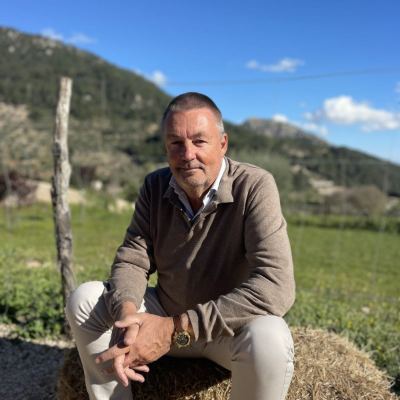
Author: Torben Aagaard

  • Define Your Homebase — Matchmaking for Co-Ownership

    Define Your Homebase — Matchmaking for Co-Ownership

    The matchmaking engine

    Three ways in. One profile that keeps working.

    Define is where every match begins. Tell us how you want to live, use and invest — that brief lands in one profile and stays with you. Because we’re on the ground in every destination, we can act as your buyer’s agent: once we know what you’re really looking for, we match it to the homes on our books, and when the right one isn’t listed yet, we go and find the property — and the seller — to fit. Start light or go deep, and pick it up whenever you’re ready. The more you tell us, the sharper every match becomes — and the better the outcome for everyone involved.

    1

    1 minute

    Quick match

    The essentials only. Tell us the basics and we’ll point you to homes and ownership models that fit.

    Destination, budget, lifestyle or investment.

    Start quick match

    2

    5 minutes

    Full preference profile

    A deeper read on how you want to live, use and own — so every match is precise.

    Intent, location, ownership model, rental strategy, next steps.

    Build my profile

    3

    5 minutes

    Investor profile

    For buyers who think in returns — where structure and numbers come first.

    Objective, holding structure, capital & financing, return profile.

    Build investor profile

    Where the matches come from

    Your brief doesn’t sit in an inbox. It runs against every home across the Homebase platform — and against homes that never reach a public listing.

    Listed homes

    The homes already open across Mallorca and the destinations opening next.

    Off-market homes

    Properties in our network that aren’t public yet, shared first with owners and members who’ve told us what they want.

    Sourced to fit

    When the right home isn’t there yet, your brief becomes the search. Our local teams find it, prepare it, and bring it to you.

    The difference between being matched to what’s on a portal — and having the match built around what you actually want.

  • Es Trenc — “Mallorca’s Last Wild Beach, Twenty Minutes Away”

    Es Trenc — “Mallorca’s Last Wild Beach, Twenty Minutes Away”

    Twenty minutes from Los Hibiscus is the closest Mallorca gets to the Caribbean. Es Trenc is a long ribbon of white sand and shallow turquoise water — and, almost uniquely on this island, it was never built on. No high-rises, no promenade, just dunes, pines, and the sea. It is the beach you measure other beaches against.

    The last wild beach

    While much of Mallorca’s coast was given over to resorts decades ago, Es Trenc was protected. It sits within a designated natural area, its dunes and wetlands left intact. That is why arriving feels like stepping back in time: kilometres of open sand, backed by low dunes and pine, with no concrete in sight. The wildness is the whole point.

    Why the water looks like that

    The colour is not a filter. Fine white sand and a gently shelving, shallow seabed turn the water every shade from pale jade to deep turquoise. You can wade out a long way and still stand. On a calm day it is almost still — which is exactly why families and long-lunch swimmers love it.

    The salt that made it famous

    Behind the beach lie the salt flats of Es Trenc, where sea salt has been harvested for generations. The prized flor de sal — the delicate crust skimmed by hand from the surface — travels from these pans to kitchens across Europe. It is a small, local industry that has quietly kept this stretch of coast working and unspoilt.

    A day at Es Trenc

    Go early, especially in summer — the light is best and the sand is yours for a while. Walk far enough along and you will find your own stretch. Bring water and shade; the beach is deliberately undeveloped, so the few simple beach bars are part of the charm rather than the point. Then drive back through the southeast as the afternoon turns gold.

    This is the coast of Los Hibiscus

    A beach like this, twenty minutes from your own door, is what makes the southeast different. Los Hibiscus sits near Cas Concos, between the golden town of Santanyí and the wild sands of Es Trenc — the quiet, unspoilt corner of the island.

    Explore Los Hibiscus, see the location in full, or join the Homebase Newsletter.

  • Santanyí — “The Golden Town That Mallorca Keeps to Itself”

    Santanyí — “The Golden Town That Mallorca Keeps to Itself”

    Ten minutes from Los Hibiscus sits a town the rest of Mallorca quietly envies. Santanyí has the markets, the galleries, and the long lunches of somewhere far more famous — and almost none of the crowds. It is the everyday backdrop to life at the finca, and one of the best reasons to be in this corner of the island.

    The golden town

    Santanyí is built from marès — the honey-coloured sandstone quarried nearby for centuries. In the late afternoon the whole town turns warm gold, from the narrow lanes to the great fortified church of Sant Andreu on the square. It is small enough to cross on foot in fifteen minutes, and handsome enough that you will keep finding reasons not to.

    Market days

    Twice a week, on Wednesday and Saturday morning, the centre fills with one of the island’s best markets. Local produce, olives and cheese, flowers, ceramics, leather and linen spill across the plaza and the surrounding streets. It is where the town does its shopping and where visitors lose an hour they did not plan to. Arrive early, take a coffee on the square, and let it unfold.

    Art, food, and an unhurried pace

    For its size, Santanyí carries a serious cultural weight. Galleries and design studios sit between family-run cafés and restaurants that take the long Mediterranean lunch seriously. It has drawn artists and independent makers for decades, which gives the town a quiet, creative confidence rather than a touristed gloss. You come for the bread and stay for the afternoon.

    It is also simply the town you would actually live around. A ten-minute drive from Los Hibiscus, Santanyí is where the everyday happens — the bakery and the butcher, the pharmacy, a good bottle of wine, dinner without a plan. Big enough to have everything you need, small enough that you start to recognise faces. That balance is rare on the island, and it is a large part of why this corner feels like home rather than holiday.

    The coast on its doorstep

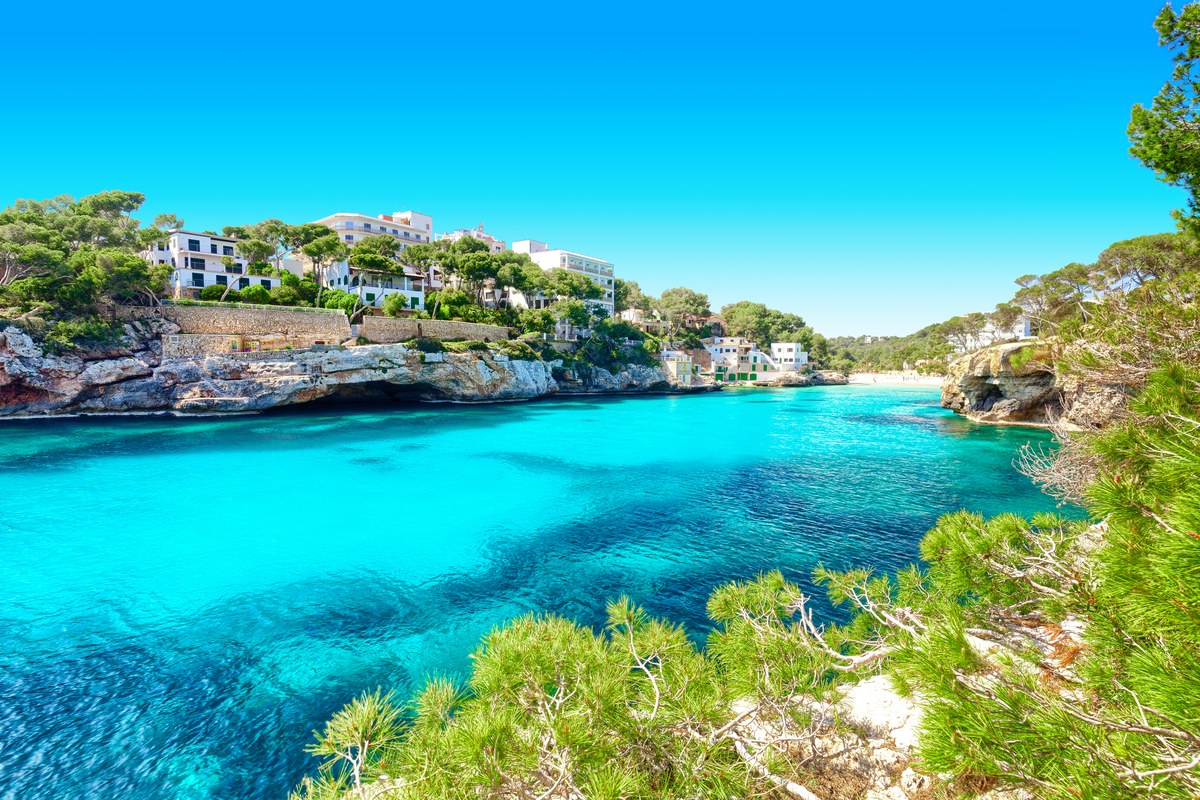
    What makes Santanyí exceptional is what surrounds it. Within a short drive lie some of Mallorca’s most beautiful coves — Cala Santanyí, Cala Llombards, and the dramatic natural rock arch of Es Pontàs. A little further sits Mondragó Natural Park, with protected beaches and pine-backed walking trails. This is the unspoilt southeast, where the coastline was never given over to high-rise resorts.

    The neighbourhood of Los Hibiscus

    This is daily life at Los Hibiscus: market mornings in Santanyí, lunches that run long, and a different cove every week. The finca sits near Cas Concos, minutes from town and twenty from the wild sands of Es Trenc — close enough to everything, far enough from the crowds.

    Explore Los Hibiscus, see the location in full, or join the Homebase Newsletter to follow new homes in places like this.

  • How Mallorca Homebase Ownership Is Structured

    How Mallorca Homebase Ownership Is Structured

    A Smarter Way — to Own in Mallorca

    Mallorca has become one of Europe’s most attractive destinations for lifestyle real estate ownership — combining personal usage, rental flexibility, and long-term value creation.

    Mallorca Homebase structures and manages professionally prepared ownership opportunities designed around modern international living.

    A simpler, smarter, and more flexible way to own in Mallorca.

    Los Hobiscus

    How Mallorca Homebase Ownership Is Structured

    Modern second-home ownership requires more than buying property.

    It requires clear ownership structures, defined usage rights, operational management, local coordination, and long-term planning designed around how owners actually want to use Mallorca.

    Mallorca Homebase structures and operates lifestyle real estate assets on behalf of international owners and investors — combining personal usage, rental potential, and long-term ownership strategy within one coordinated setup.

    Design uden navn 11 | Global Homebase

    Defined Shares and Usage Rights

    Each owner acquires a clearly defined ownership share connected to:

    • legal ownership rights
    • annual usage allocation
    • operational responsibilities
    • shared cost structure
    • long-term governance rules

    Usage periods are structured transparently to ensure predictable access and fair long-term usability across all owners.

    This creates a more stable and sustainable ownership experience compared to traditional second-home ownership.

    Design uden navn 43 | Global Homebase

    Operations Are Coordinated Locally

    Owning a property internationally only works when operations are handled professionally and consistently on the ground.

    Mallorca Homebase coordinates:

    • property setup
    • operational management
    • rentals
    • maintenance
    • owner coordination
    • local service partners
    • long-term asset usability

    This allows owners to focus on usage, lifestyle, and investment strategy instead of day-to-day administration.

    Design uden navn 54 | Global Homebase

    Designed for Long-Term Ownership

    Mallorca Homebase is designed around long-term usability and operational sustainability.

    Properties are selected and structured based on:

    • location quality
    • operational practicality
    • rental compatibility
    • ownership flexibility
    • long-term desirability

    The objective is not simply to divide ownership.

    The objective is to create better functioning second-home ownership structures designed for modern international living.

    Design uden navn 13 | Global Homebase

    Personal Usage, Rental Income — Or Both

    Some owners primarily use their Mallorca Homebase personally.

    Others use the property selectively while generating rental income during unused periods.

    The ownership structure can support:

    • private lifestyle usage
    • seasonal flexibility
    • income generation
    • family access
    • long-term holding strategies

    The model is designed around flexibility rather than one fixed ownership approach.

    Torben Aagaard

    Local Guidance Matters

    Mallorca property ownership involves more than acquiring real estate.

    It requires:

    • local coordination
    • operational management
    • trusted partners
    • ongoing support
    • structured ownership logic

    Mallorca Homebase combines local presence with international ownership structures designed around simplicity, transparency, and long-term usability.

    More Insights on Ownership in Mallorca

    Explore additional articles, owner perspectives, and insights focused on modern property ownership, operational simplicity, lifestyle flexibility, and long-term value creation in Mallorca.


    Design uden navn 40 | Global Homebase

    How Mallorca Homebase Ownership Is Structured


    A Smarter Way — to Own in Mallorca Mallorca has become one of Europe’s most attractive…
    Continue reading


    Los Hibiscus Family

    Peter and Joanna’s Mallorca Story: Passing Their Finca Los Hibiscus Forward


    A British family’s decision to create their Mallorca home at Los Hibiscus.For more than two…
    Continue reading


    WhatsApp Image 2026 02 17 at 22.46.05 e1771431094783 | Global Homebase

    Jarl and Susanne Friis-Mikkelsen Choose Co-Ownership in Palma


    A New Priority — Not a GoodbyeSince 2018, Jarl and Susanne Friis-Mikkelsen have had their…
    Continue reading


  • Try Before You Buy a Co-Ownership Home in Mallorca

    Try Before You Buy a Co-Ownership Home in Mallorca

    For many people, owning a home in Mallorca is a dream.

    But with property prices continuing to rise, buying an entire property has become difficult for many families. Co-ownership is changing that, making it possible to enjoy a second home on the island in a much more accessible way.

    At Global Homebase, we believe the best way to understand the concept is simple: experience it first.

    That’s why we offer Try Before You Buy stays in selected Global Homebase homes in Mallorca. Stay in the property, explore the neighbourhood, and experience the lifestyle before deciding whether co-ownership is right for you.

    During your stay you can:

    • experience the property as an owner would
    • explore the area and local lifestyle
    • understand how the co-ownership model works
    • speak with us about ownership opportunities

    And of course, if you later decide to become a co-owner of the property, the rental cost will naturally be deducted from your purchase.

    Right now you can try two beautiful homes in Mallorca:

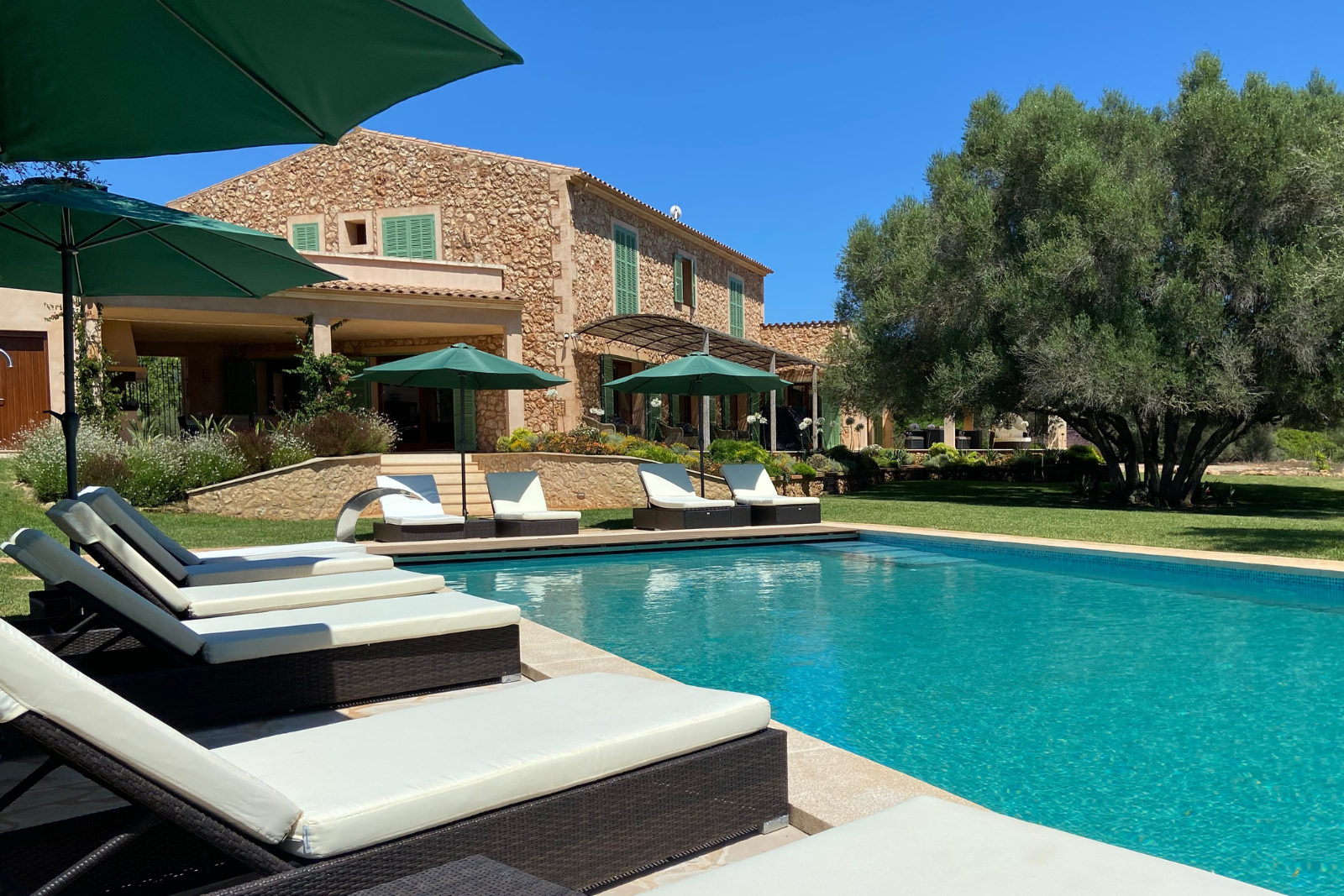
    Fantastic Finca Experience

    Enjoy the peaceful countryside and authentic Mallorca lifestyle

    Portixol Penthouse – One of the hottest locations in Mallorca

    Walk to the sea, cafés and Palma in minutes

    Explore the stays here

    More properties will be added soon.

    Mallorca is not just a place to visit.

    For many people it becomes a second home.

    If you are curious about how co-ownership works, feel free to reach out to us directly.

    We live here ourselves and have known the island closely for many years.

    Team Homebase

  • High-Growth Second Home Markets

    High-Growth Second Home Markets

    Global capital does not move randomly. It moves toward stability, scarcity, and durable growth — and over the past decade, a handful of Mediterranean and lifestyle-driven markets have delivered exactly that, on the back of constrained supply, international demand, and a structural shift in how people live and work.

    For second-home buyers, the question is no longer whether prime destinations appreciate. It is how to participate in that growth intelligently — and how to get capital back out when the time comes.

    1. Scarcity drives long-term appreciation

    Prime coastal destinations like Mallorca and the French Riviera share three traits:

    • Limited buildable land
    • Strict zoning and preservation rules
    • Persistent international buyer demand

    When supply is structurally constrained, price growth tracks demand cycles rather than speculative overbuilding. That is what gives these markets their resilience against the corrections that hit oversupplied urban centres.

    2. International demand is structural, not cyclical

    The modern second home is no longer a purely lifestyle purchase. It now functions as a mobility asset, a partial residence, and a portfolio diversifier at once. Remote work, wealth migration, and rising geopolitical risk have pushed demand toward stable EU destinations — and these are structural shifts, not a passing tourism trend.

    3. Rental performance supports the holding strategy

    In high-demand destinations, premium properties benefit from strong seasonal rates, limited luxury inventory, and steady international visitor flows. Rental income is not what drives long-term appreciation — but it underwrites the cost of ownership and improves capital efficiency while you hold.

    4. Structure determines the exit

    Growth alone is not a strategy. Liquidity is. A professional co-ownership structure defines the resale mechanism, the valuation methodology, the share-transfer rules, and the minority protections — before any of them are needed. That is what removes friction at exit and protects the asset’s integrity over time.

    Markets grow. Structure decides whether that growth can ever be realised.

    Conclusion

    Investing in a high-growth destination takes more than picking the right point on the map. It takes disciplined entry pricing, governed ownership, and a defined path to exit. Approached that way, prime second-home markets are not speculative trades — they are long-duration assets that combine lifestyle access, inflation protection, capital appreciation, and diversification outside traditional financial markets.

    Growth is important. Governance is essential.

    Explore more on governance, exit planning, and long-term ownership structures across our insights.

  • Jarl and Susanne Friis-Mikkelsen Choose Co-Ownership in Palma

    Jarl and Susanne Friis-Mikkelsen Choose Co-Ownership in Palma

    A New Priority — Not a Goodbye

    Since 2018, Jarl and Susanne Friis-Mikkelsen have had their penthouse in Mallorca as a fixed point in an active life between Copenhagen and the island. They have now chosen to reduce their ownership to 25% and sell 75% through a structured co-ownership model.

    This is not a farewell. It is a deliberate adjustment — a way to align ownership with how they actually live, while ensuring that the home is fully used and maintained throughout the year.

    A Place of Light, Energy, and Connection

    The apartment has been a retreat. For Jarl, the distinctive Mallorcan light has been a constant source of inspiration — also reflected in his artistic work. The open sea views and generous daylight have defined the atmosphere of the home.

    For Susanne, Mallorca has been active and social — tennis, walks along the promenade, and a strong circle of friends who either live on the island or return year after year.

    Location was decisive from the beginning. The penthouse is situated in Portixol — one of the most sought-after areas just a few kilometers from central Palma. Here, mornings can begin with a swim at the sandy beach, followed by a walk along the sea or dinner at a local restaurant. Palma’s city center is only minutes away by taxi, and the airport is reachable in ten minutes. Shopping and sports facilities are all within close distance. The combination of beach, city, and international accessibility matched the family’s needs from the outset.

    When Life Is Divided Between Countries

    Daily life is primarily in Copenhagen. TV production, creative projects, children, family, and professional commitments fill the calendar. As with many international homeowners, this means the apartment is used only a limited number of weeks each year.

    Many recognize this reality: you value the place deeply — but full ownership no longer reflects actual usage.

    That is why Jarl and Susanne have chosen a structured shared-ownership model in which the home is divided into eight ownership shares. Each share provides approximately 6.5 weeks of annual usage rights, with booking possibilities up to two years in advance. The structure combines legal ownership, planning clarity, and professional management.

    The apartment is fully serviced, including maintenance and preparation before each stay. Storage solutions allow personal belongings to remain in place, making it possible to travel light while arriving to a home that feels ready from day one.

    Having your own key to a place you return to is very different from staying in a hotel. Mallorca — and Portixol — feel like home to us. By sharing the ownership in a structured way, we ensure the apartment is truly used and cared for, while giving other families the opportunity to make it their own second home as well. We believe this model makes sense — for us, for the home, and for those who value Mallorca as we do. — Jarl & Susanne Friis-Mikkelsen

    A Quality Upgrade as Part of the Next Chapter

    The property, built in 2014, is now receiving a quality upgrade as part of the new ownership structure. A new kitchen will be installed, selected elements will be modernized, and the large terrace of more than 75 m² will be upgraded with new awnings and updated indoor and outdoor furniture. A substantial barbecue installation supports outdoor living throughout the year.

    These improvements ensure a consistent and elevated standard — and support active, year-round use.

    A Home That Is Actively Used

    Homes that are regularly used remain in better condition. At the same time, consistent presence contributes positively to the local economy — supporting restaurants, shops, and services.

    For Jarl and Susanne, this decision is not about stepping away from Mallorca. It is about structuring ownership responsibly.

    An increasing number of international homeowners face the same situation: life is distributed across cities and countries, and full ownership does not always represent the most rational or sustainable solution. Structured co-ownership offers an alternative — preserving connection while ensuring that homes are not left empty for most of the year.

    In Portixol, this means the penthouse will continue to function as a home — actively used, professionally maintained, and integrated into the local community.

    View the property here